
Chile Travel Safety Guides
Is Chile Safe to Visit in 2026? Honest Tourist Answer
Yes, Chile is safe to visit in 2026 for travelers who pick the right neighborhoods and use normal awareness. We travel here often. The country ranks among the safer options in South America. The realistic concerns are petty theft in big cities, occasional protests, earthquakes, and remote weather, not a blanket “do not go.”
This is the main hub for all Chile safety guides. For city-specific advice, see Santiago, Valparaíso, and solo female travel. Plan your stay: Santiago travel guide.
Travel advisories at a glance (2026)
We travel to Chile often and treat official advisories as context, not as a reason to cancel a well-planned trip. Here is the practical read:
| Source | Level / tone | What it means for visitors |
|---|---|---|
| US State Department | Level 2: exercise increased caution | Crime and occasional unrest. Stay aware in cities; avoid demonstrations. |
| UK FCDO | No blanket “do not travel” | Flags petty crime in Santiago and Valparaíso, plus remote risks. |
| Our take | Calm confidence | Pick the right neighborhoods, keep phones out of sight in crowds, and you can enjoy Chile. |
Official sources: US State Dept Chile advisory
Yes. Chile is generally safe to visit in 2026 if you stay in the right neighborhoods and use normal big-city awareness. The realistic concerns are petty theft in Santiago and Valparaíso, plus earthquakes and remote weather, not countrywide danger.
Stay connected: Compare Chile eSIM providers (Airalo vs Holafly vs Nomad) before you fly. it takes five minutes and saves airport hassle.
Crime and safety overview
Chile is widely considered one of the safest countries in South America, especially for tourists. Violent crime rates are relatively low compared to many neighboring countries, and most visits are trouble-free. That said, petty crime such as pickpocketing and bag snatching does occur, particularly in busy urban areas like Santiago, Valparaíso, and popular tourist hotspots.
As a frequent traveler, the overall feeling in Chile is one of stability and order. Police presence is visible, infrastructure is reliable, and locals are generally helpful. However, like in any country, staying aware of your surroundings is key. Crimes tend to be opportunistic rather than targeted, meaning simple precautions like keeping valuables out of sight and avoiding quiet areas at night go a long way.
In short, Chile is safe for tourists who travel smart. It’s not a risk-free destination, but compared to much of the region, it stands out as a secure and well-organized place to explore.
Read the Security Report from OSAC for a professional opinion.
Safest places to visit
Chile has many destinations where travelers can feel especially safe, even by global standards. Areas like Santiago’s neighborhoods of Las Condes, Vitacura, and Providencia are known for being clean, well-policed, and tourist-friendly. These districts are where most hotels, restaurants, and business travelers are concentrated.
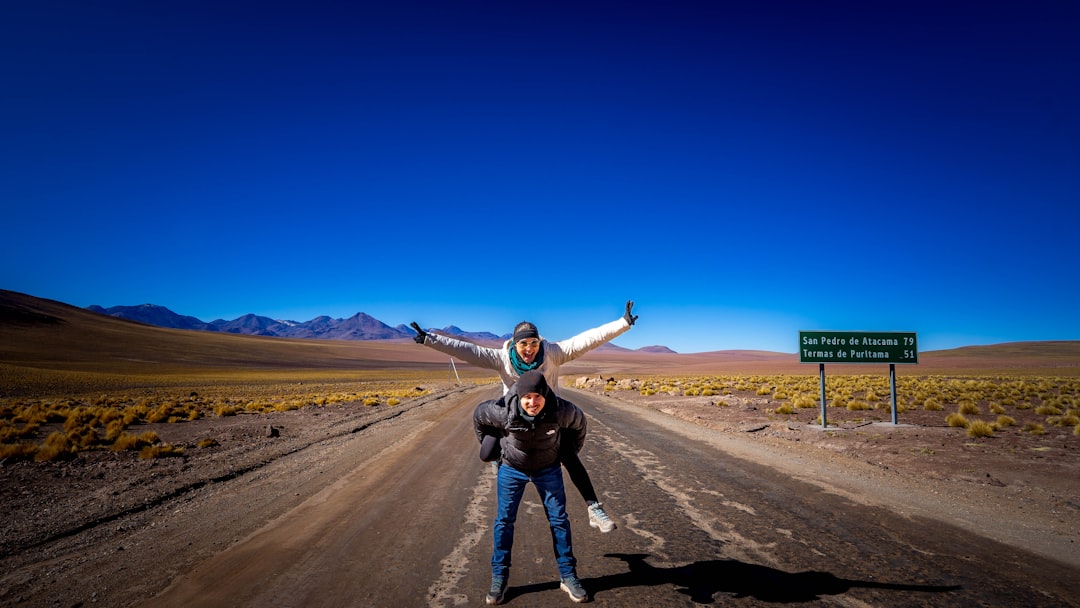
Outside the capital, places like San Pedro de Atacama, Puerto Varas, and much of Patagonia are extremely safe. These regions rely heavily on tourism, and crime is very low. You’ll often find a relaxed atmosphere where walking around, even in the evening, feels comfortable.
Read our blog about the safest places in Santiago here
Smaller towns and rural areas across Chile are generally very safe as well. The biggest “risk” in these places is usually related to nature rather than crime. Overall, if you stick to well-known destinations and established neighborhoods, Chile offers a very secure travel experience.
Areas to avoid
Most of Chile is safe, but there are a few areas where extra caution is needed. In Santiago, neighborhoods like parts of Estación Central, La Pintana, and some outskirts of the city have higher crime rates and are not ideal for tourists. In Valparaíso, certain hills (cerros) can become unsafe after dark.
A few quick rules:
- Avoid quiet or poorly lit areas at night
- Be cautious around bus terminals and crowded transport hubs
Common scams and how they actually work
- Metro or street phone snatch: Someone grabs a phone from your hand on a crowded platform or busy downtown street. Keep the phone in a front pocket or bag until you step aside.
- Distraction “stain” approach: Someone points at a stain on your clothes while an accomplice reaches for your bag. Keep walking and clean up later.
- Airport or street taxi overcharge: Unofficial drivers quote flat fares. Use the official desk, Centropuerto/Turbus, or Uber/Cabify/DiDi from the marked pickup zone.
- Card terminal DCC: Always pay in Chilean pesos (CLP), not your home currency, when the terminal asks.
Common scams to watch for
Scams in Chile are not as widespread as in many countries, but they do happen. The most common ones target distracted tourists in busy areas.
Watch out for:
- Distraction techniques (someone spilling something on you while another steals your belongings)
- Fake taxis or drivers overcharging at airports
Transport safety tips
Transport in Chile is generally safe and reliable. Buses are modern, flights are efficient, and ride apps work well in major cities.
Stick to:
- Uber, Cabify, or registered taxis
- Reputable long-distance bus companies
Avoid hailing random taxis late at night if possible.
Night safety tips
Chile is relatively safe at night in the right areas, but caution is still important.
- Stay in well-lit, busy neighborhoods
- Avoid walking alone in unfamiliar areas after dark
In cities like Santiago, nightlife districts are lively but require basic awareness.
Earthquakes and tsunamis: what to do
Chile sits on a very active seismic zone. Small tremors are common. Buildings in major cities are engineered for this. The practical steps:
- If the ground shakes hard: drop, cover, and hold under a sturdy table. Protect your head and neck.
- After shaking stops on the coast: if it lasted about a minute or more, walk inland and uphill for tsunami risk. Do not wait for a siren.
- Ask your hotel where the assembly point is when you check in.
Natural hazards and risks
Chile’s biggest risks are often natural rather than crime-related. The country is prone to earthquakes, and certain regions have extreme climates.
Be aware of:
- Earthquakes (buildings are well-prepared, but it can be unsettling)
- Harsh conditions in Patagonia and the Atacama Desert
Political stability and protests
Chile is politically stable overall, but protests do happen, especially in Santiago. These are usually peaceful but can occasionally turn disruptive.
If you encounter a protest:
- Avoid the area entirely
- Follow local news or ask hotel staff for updates
Emergency numbers and help
Chile has a reliable emergency system, and help is generally accessible.
- Police: 133
- Ambulance: 131
- Fire: 132
Safety tips for first-time visitors
For first-time travelers, Chile is one of the easiest countries in South America to navigate safely.
- Don’t flash valuables like phones or jewelry
- Keep copies of important documents
A little awareness goes a long way here.
Cultural norms and local behavior
Chileans are generally polite, reserved, and helpful. Respectful behavior is appreciated and contributes to a safer experience.
- Greet people with a simple “hola”
- Avoid loud or confrontational behavior
Blending in reduces unwanted attention.
Is Chile safe compared to other countries
Compared to most South American countries, Chile ranks as one of the safest. It generally has lower violent crime rates and better infrastructure.
It’s often considered safer than countries like Brazil, Colombia, and Peru, especially for first-time travelers.
vs Argentina and other South American countries
Chile and Argentina are quite similar in safety, though Chile often feels slightly more stable and organized.
Safer or comparable to:
- Argentina
- Uruguay
Generally safer than:
- Brazil
- Colombia
- Venezuela
Murder rate and crime vs USA
Chile’s homicide rate is significantly lower than that of the United States. While petty crime is more visible in tourist areas, violent crime is less common.
Murder rate and crime vs Canada
Chile’s crime levels are higher than Canada’s overall, especially for petty theft. However, violent crime remains relatively low and manageable.
Murder rate and crime vs UK
Compared to the UK, Chile has slightly higher petty crime rates but similar or lower levels of violent crime in many areas.
Best time to visit for safety
Chile is safe year-round, but some seasons are easier for travel.
- Summer (December to February) offers better conditions and more activity
- Winter travel is safe but can bring weather-related challenges
Safety in Santiago vs other regions
Santiago is safe in many areas but requires the most awareness due to its size. Petty crime is more common here than elsewhere.
Other regions like Patagonia, the Atacama Desert, and southern Chile are generally safer and more relaxed.
Is Chile safe for you?
Chile is a great choice if you want a safe and structured introduction to South America. It offers a balance of adventure and comfort that suits a wide range of travelers.
If you use common sense and stay aware, you’re unlikely to run into serious problems.
Is Chile safe for…:
Solo travelers
Chile is one of the best countries in South America for solo travel. It’s easy to get around, and you’ll find plenty of other travelers.
Solo female travelers
Generally safe, especially in well-known areas. Standard precautions apply, particularly at night.
Families
Chile is family-friendly, with good infrastructure, healthcare, and safe destinations.
Americans
Americans are common visitors and generally face no specific risks beyond standard tourist precautions.
Europeans
European travelers will find Chile comfortable, familiar, and easy to navigate safely.
LGBTQ+ travelers
Chile is one of the more progressive countries in South America. Major cities are welcoming, though discretion is still advised in rural areas.
Digital nomads
Safe and well-connected, especially in Santiago. Reliable internet and modern amenities make it a strong option.
Backpackers
A popular and safe backpacking destination with good hostels and transport.
Senior travelers
Chile is safe and accessible, though some regions may require more planning due to terrain.
Students and exchange travelers
A safe environment with good public services and a welcoming atmosphere.
Families with young children
Safe, clean, and easy to manage, especially in urban and tourist-friendly areas.
Luxury travelers
High-end areas and services are very safe, particularly in Santiago and wine regions.
Adventure travelers
Safe overall, but risks come more from nature than crime.
Road trippers
Road conditions are excellent, and driving is generally safe across the country.
Expats and long-term stays
Chile is one of the safest and most stable countries in South America for long-term living.
Frequently asked questions
Is Chile safe to visit in 2026?
Yes. Chile is among the safer South American countries for tourists. The US State Department lists Chile at Level 2 (exercise increased caution) mainly for crime and occasional unrest. Stay in recommended neighborhoods, keep phones out of sight in crowded spots, and you can travel with calm confidence.
Is Chile safe for tourists?
Yes for most itineraries. Violent crime against tourists is uncommon. Petty theft is the main issue in busy urban areas. Safety varies by city and neighborhood more than by the country as a whole.
Is Santiago safe for tourists?
Santiago is safe in eastern neighborhoods like Las Condes, Providencia, and Vitacura. Centro is fine by day. Use Uber or Cabify at night and book lodging on the east side.
Is Chile safe for solo female travelers?
Many solo female travelers visit Chile safely. Stick to well-lit areas, use ride apps at night, and choose accommodation in Providencia or Las Condes in Santiago.
What should I do if there is an earthquake in Chile?
Drop, cover, and hold under sturdy furniture. After shaking stops, if you are on the coast and shaking lasted about a minute or more, walk to high ground for tsunami risk. Modern Chilean buildings are built to strict seismic codes.
Practical next steps for your Chile trip
- City safety: Santiago · Valparaíso · Solo female travelers
- Where to stay: Where to stay in Santiago · Best hotels in Santiago
- Connectivity: Best Chile eSIM for travel
- Planning: Chile packing list · How many days in Santiago?
- Scams: Common scams in Chile